
In the movie “the sum of all fears” (2002), a group of neo-nazis manages to detonate a nuclear bomb in Baltimore. The explosion nearly brings the US and Russia to an all-out nuclear showdown. Today nuclear weapons are once again discussed and discouraged, but are the fears still the same?
While the fear of a dirty bomb being used by a terroristic organization is ever-present, the movie demonstrates that the real destruction and extinction of humanity lies solely in the hands of major powers. The key to avoiding Armageddon according to the movie, is communication between the leadership of both countries. In the end, it’s shown that there’s no big difference between the nations, and what drove dangerous decisions was mostly fear.
But what about a scenario with fundamentally different nations, driving policy, not through fear but to achieve their goals? In other words, can nuclear warfare ever be justified as rational? Would the use of a nuclear weapon by a major state actor doom the entire planet or will a new, scarier era of war arise?
A bomb or A-Bomb
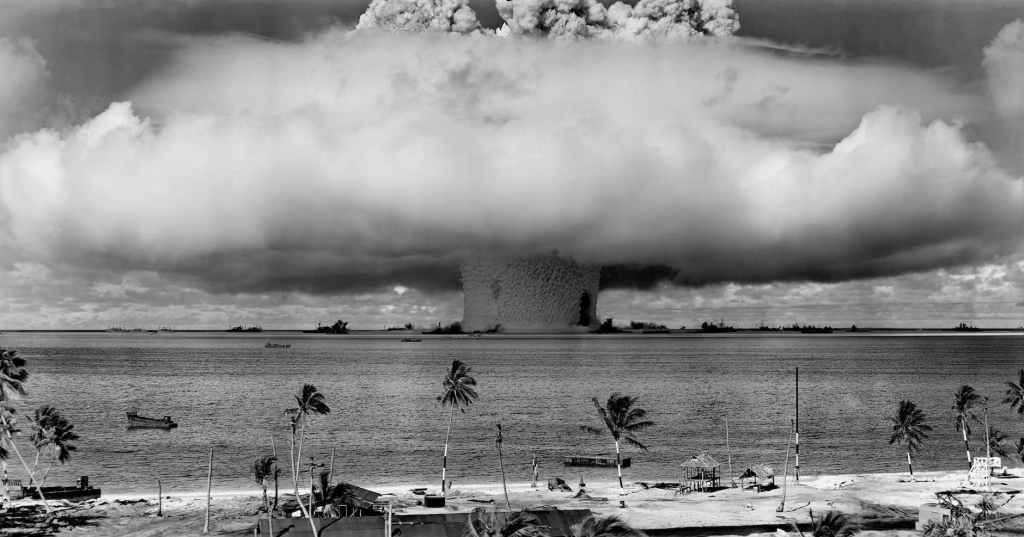
Let’s distinguish between several kinds of nuclear weapon strikes: Tactical and Strategic, Long and short range, terroristic, by a state.
During the 20th century, the major fears were centered around long-range, strategic, state-owned, nuclear weapons. The weapons of the time were ICBMs and air defense systems. Then the collapse of the Soviet Union and with Pakistan, India, and other countries building or completing a nuclear weapons project, split the fears.
In addition to the old state-owned, long-range strike, a major fear became the implementation of a dirty bomb by terrorists using materials provided by a rogue state or stolen. These short-range, a terrorist attack would be hard to trace, enormously destructive, and achieve the goal of scaring a populous.
The film shows this split and how one can trigger another, with only high-level secretive communication saving the world from a nuclear winter. But 20 years later, we should bring Ben Affleck and Morgan Freeman to make a sequel.
In this sequel, a conventional war between states is heading for an upset when a nuclear state decides to intervene. A local conflict along ethnic lines is impeding on economic interests of an autocratic nuclear superpower.
Act I – a Flare in the Desert
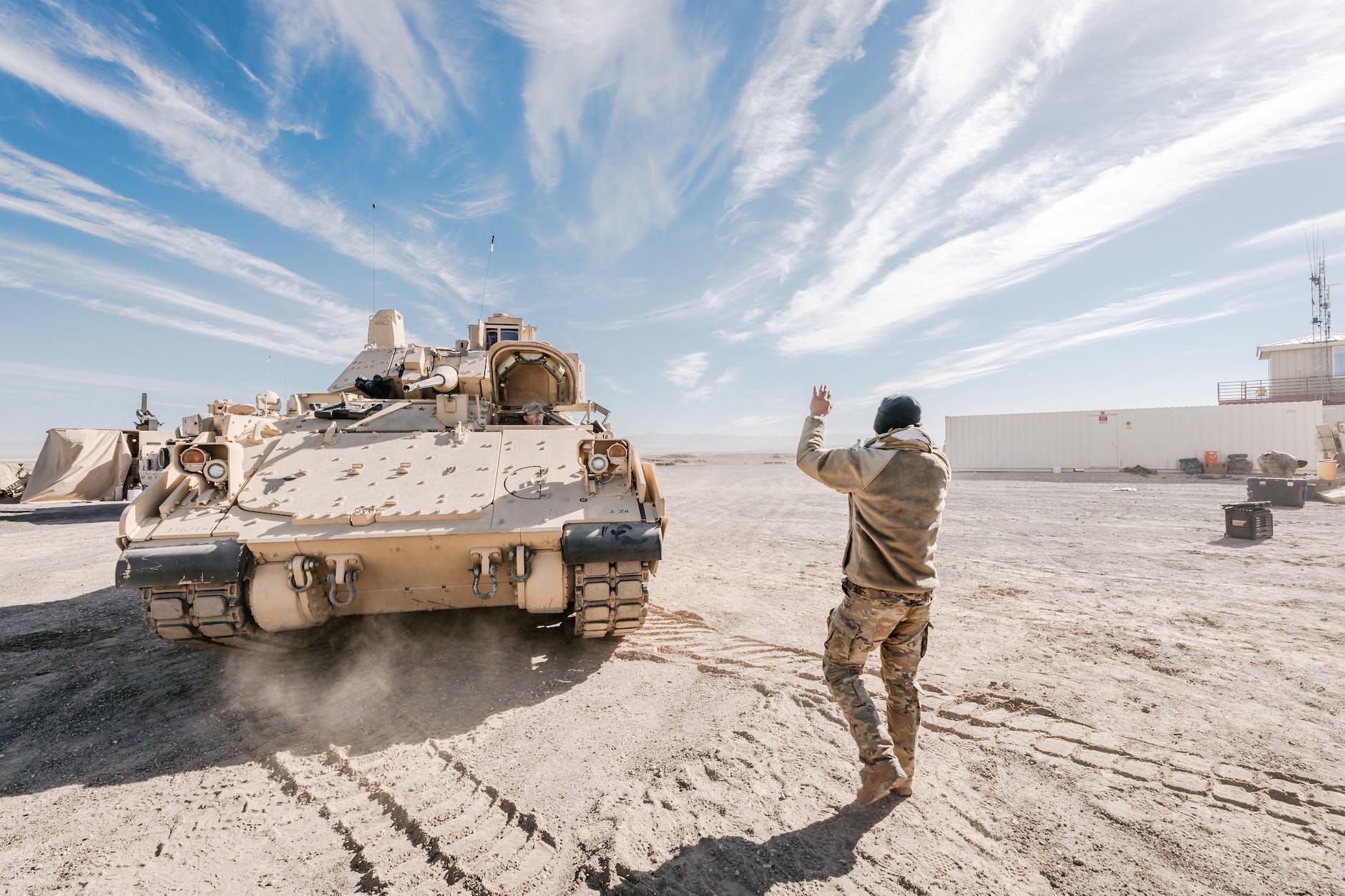
Imagine the following: the year is 2028, Yemen is taken by pro-Iranian forces, an alliance headed by Saudi Arabia and the UAE, and backed by Israel and Turkey invades Yemen to restore pro-Saudi rule. Iran retaliates directly against Saudi bases and sends the revolutionary guard to take back Yemen. Missile attacks, tank maneuvers and naval battles erupt around the Persian gulf. The news continuesly shows oil fields burning, field reporters yelling over air sirens, and aerial footage of large bombs hitting their target. Another middle east war, large in scale, Shia and Sunni, battling it out in the sands.
The Persian gulf is a major source of oil and natural gas, it is completely shut down and paralyzed as naval battles rage across it. The world economy grinds to a halt with energy prices shooting up, supply chains broken, and major shipping lanes under threat. Countries slow down the consumption of foreign goods and the sea link between East Asia and Europe, Africa, and the middle east is severed.
China is on the verge of eclipsing the US economy and sees US intervention in the region as both an attempt for regime change and a bid to project superpower influence.
China urges Pakistan to join the fight and it does so. China and Iran pressure Pakistan, a nuclear country, to throw in its lot with Iran in exchange for enormous economic benefits in the form of infrastructure projects sponsored by China. The entry of Pakistan into open warfare is declarative, only a few Pakistani soldiers are actually sent to fight. The coalition continues to push into Iran and even attacks facilities in Pakistan. Pakistan decides to authorize the use of tactical nuclear weapons. When the Saudi alliance pushes towards Tehran, seemingly about to topple the regime, Pakistan deploys a nuclear weapon, a tactical nuclear strike on coalition forces heading towards the Iranian capital. The world denounces and the US threatens a “major response” to Pakistani aggression.
Our heroes are Jon Scott and Xan Liping. Both are aides to the executive branch, Jon is a national security advisor for the American president and Xan is an advisor to the general secretary of China. Jon and Xan are friends since the time they studied international law in Switzerland. Both are patriotic and with nationalistic tendencies, poking each other jokingly about stereotypes and cultural differences.
When the nuke is dropped both are in a conference and receive the news, the mood turns from jovial to deadly serious as the TV announces the strike with photos of the aftermath,
Act II – Clash of giants
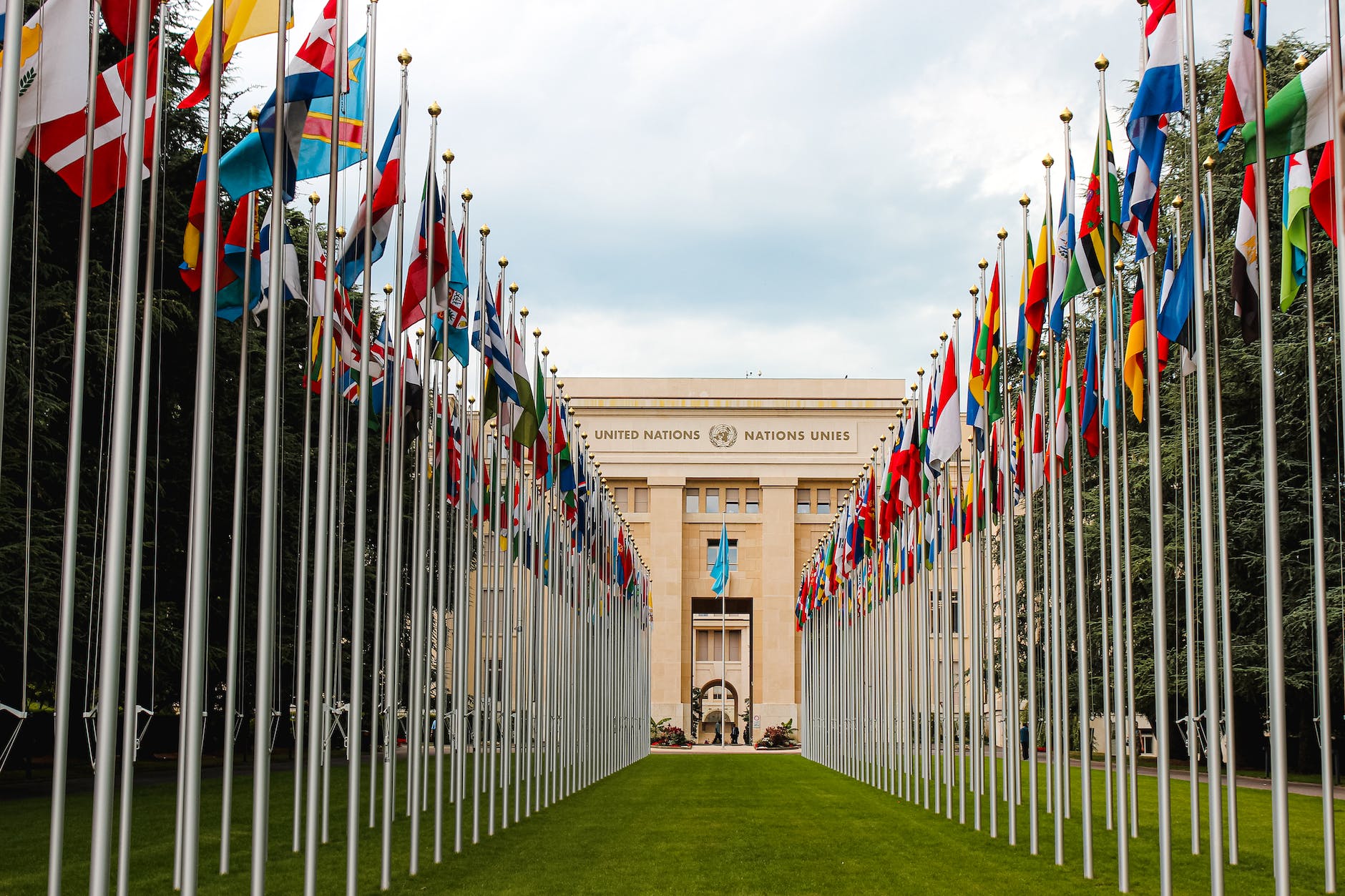
A summit is called in South Africa: the US president John Curtis, meets president Yang and a ceasefire is discussed. The mood is dire and solemn, both presidents arrive in Johannesburg under draconian security measures. pleasantries are exchanged and the leaders are left alone with their closest advisors. After a few tense exchanges, we get to this scene.
President Curtis: “You know Mr. General Secratery, I’m from Utah, where I come from, every man deserves his god-given freedom and the right to worship that god. I get the sense that you’re largely opposed to that.”
General secretary Yang: “Mr. President, we allow freedom for all men and provide them with all they need, including security. You speak of worshiping god but in practice worship only yourselves. Your free person is in debt to the banks, pressured to keep consuming to perpetuate the rule of your elites”.
Scott: “We don’t have to agree on everything Mr. Secratery, but let’s agree on returning to a world without a nuclear war”.
Xan: “We haven’t deployed any nuclear weapons in combat, other countries freedom was threatened and they were pushed to use it”.
Curtis, impatiently: “Millions are dying and you are hiding behind semantics? Jesus christ man, I’m asking you to be rational.”
Yang: “I am being rational Mr. President, our allies are waging a war in order to survive and resorted to using the strongest weapon in their arsenal. I see no reason to deprive them of that while that other side acts with impunity, knowing you’ll stand behind them.”
a long silence spreads in the room.
Scott: “You have to know sir, that the American public will not accept the use of atomic bombs in combat”
Yang, as the Chinese delegation gets up to leave: “Good thing I’m not elected by the American public”
Curtis, under his breath as they leave: “you don’t get elected at all you son of a bitch”.
The heroes each leave with their delegation, giving each other a worried glance.
The summit ends with tensions high, this time communication fails.
China unites Asian forces under a central command and establishes a nuclear umbrella from the sea of Japan to the Persian Gulf. Tactical nuclear Pakistani strikes against the coalition drive its forces back and the US is forced to integrate this Saudi-led coalition into its nuclear umbrella. China enters the conflict, Chinese soldiers are thrown to secure the borders of Pakistan and Iran, and Chinese naval vessels blockade the entrance of the Persian Gulf. China announces an Asian NATO – a defense pact headed by China, Pakistan, Iran, and Russia. The defensive Asian NATO or “DATO” is spearheaded by China and its secretary general Whan Yang
China authorizes Pakistan to deploy tactical nuclear weapons, and the US grants Israel the same usage. Measured and calculated, each week a different military base or city goes up in a cloud of radioactive debris. Beirut, Arak, Jedda, Isfahan, Shiraz, Mosul, Basrah – all are evacuated on short notice and erased from the face of the earth. Iran, Iraq, Saudi Arabia, and many more lay in ruins as foreign special forces in hazmat suits accompanied by UAVs conduct operations on the front. Each nuke is met with an equal response as the world economy becomes separated into 2 spheres – The Western and Asian economic zones.
Act III – Split the difference
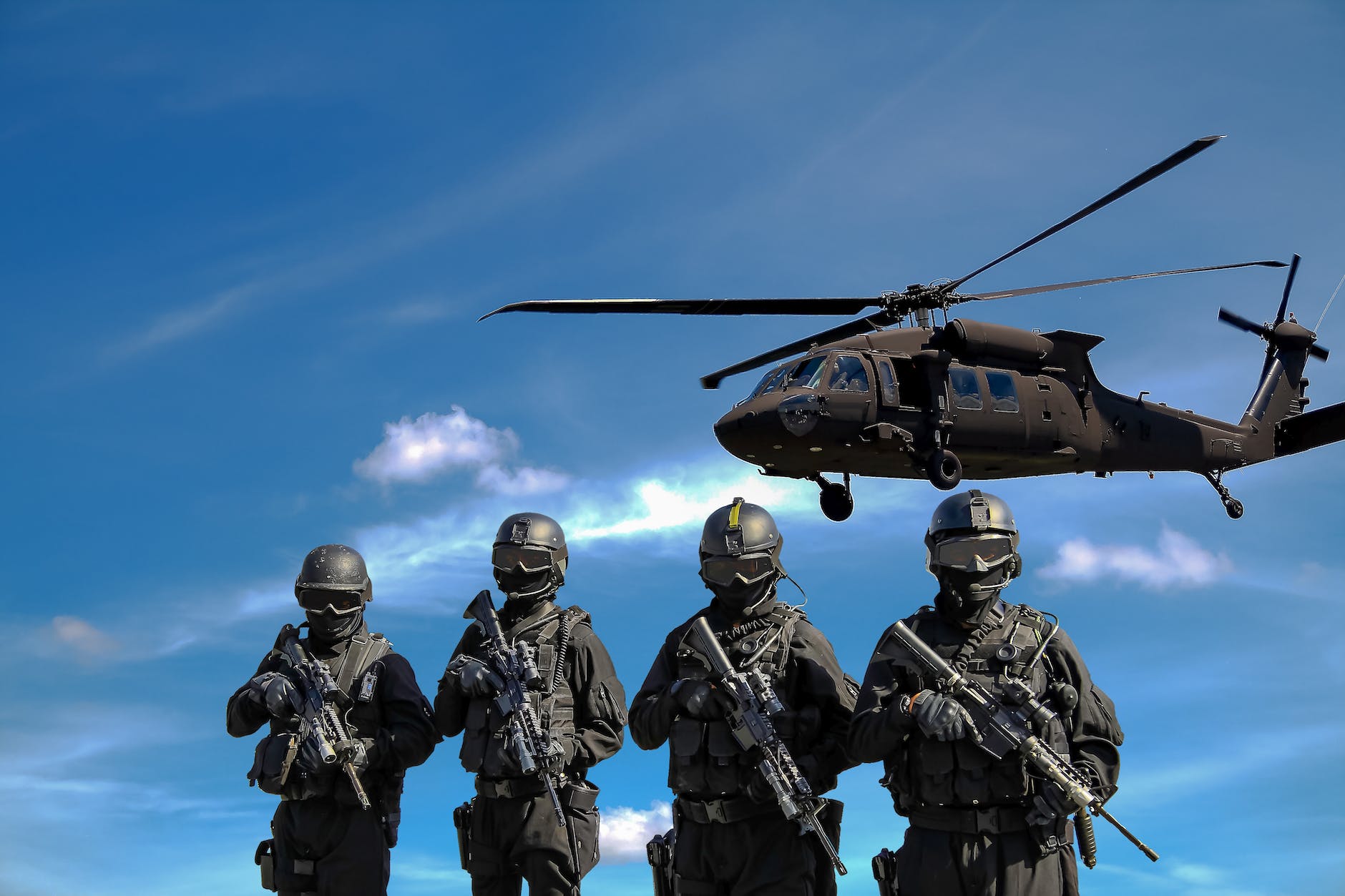
In the final act the US discusses the assassination of Yang, which they see as an irrational provocateur.
Scott: “Mr. President… it won’t help, the war will go on”
Curtis: “Why would they do it? is everyone there out of their mind? we’d be saving them from a crazy suicidal maniac”
Scott: “Sir… they are acting rationally, we would do the same, in fact, we are doing the same, and have since Hiroshima”
The cabinet decides to go forth with the assassination anyway.
Scott contacts Xan and reveals the plan, realizing it’d bring annihilation to all the planet, Xan is tasked with convincing Yang to step down.
Xan: “Sir, the Americans think you’re the problem, they’ll do anything to remove you”
Yang: “So be it, I’m willing to die, China will remain strong if not stronger”
Xan: “Exactly, we will respond in kind, it won’t stop until we’ve destroyed each other, then China too will lay in ruins”
Yang: “But stepping down will show weakness”
Xan: “Maybe, but it’ll also show them any leader would pursue this path, please… there must be another worthy besides you”
Yang eventually reluctantly agrees, the US sees this change and realizes Scott was the leak but nonetheless understands an assassination wouldn’t help.
The world is split into the American zone and the Chinese zone, total separation is agreed upon and an exclusion zone is formed in the middle east with large areas affected by nuclear fallout.
Scott is about to be hanged for treason but Xan, leading the negotiations on the Chinese side insists on his release. Scott and his family are barred from the Chinese zone, they and Xan’s family decide to both live in the exclusion zone and try to build a new life there.
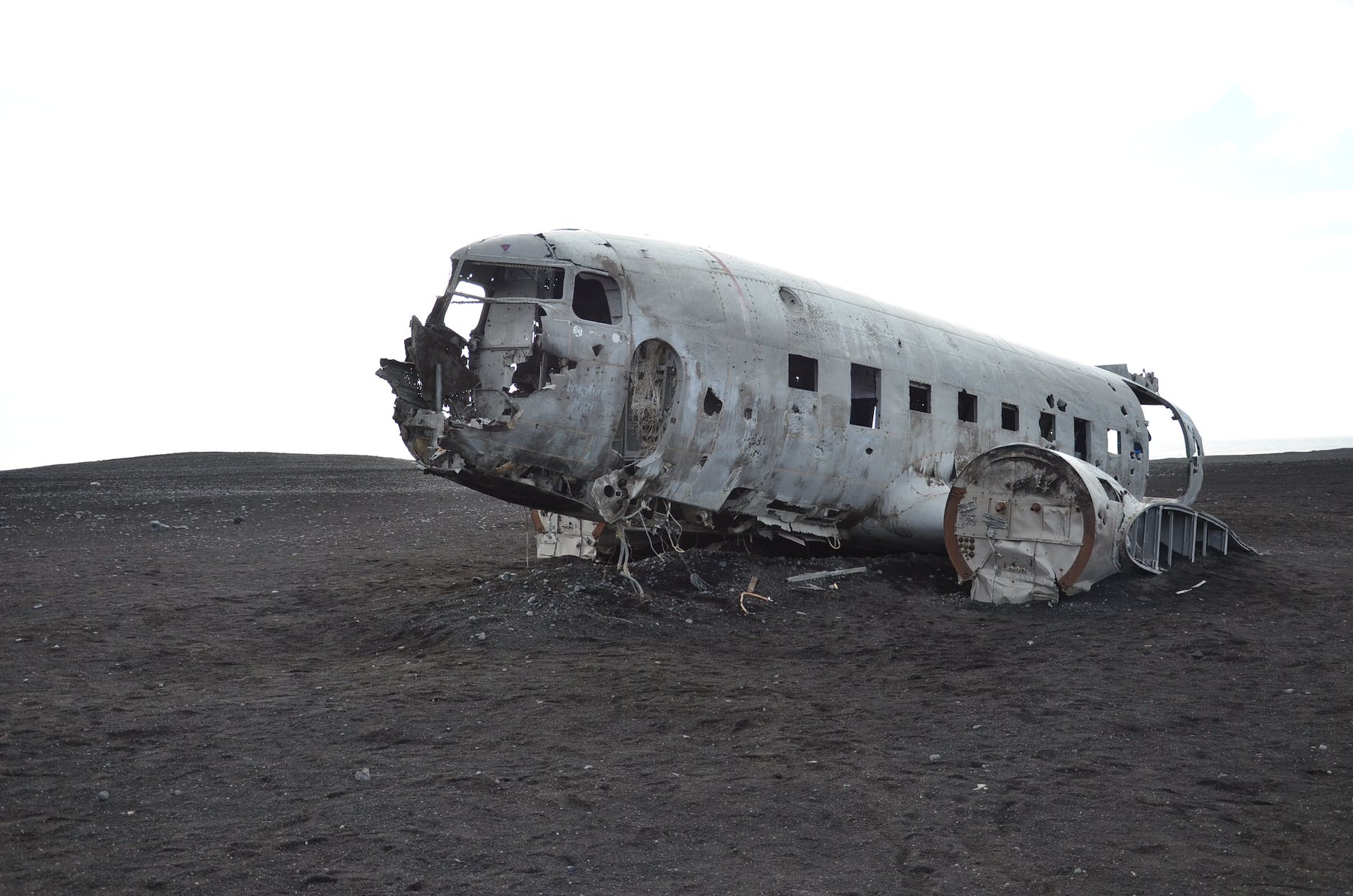
Post credits
Obviously, screenplay writing isn’t in my future but my point stands – the limited use of nuclear weapons is rational, possible, and beneficial. Deployment of such a weapon was prevented so far only by circumstances (and even then, 2 were used on Japan). Since war is waged to protect something or to obtain something, the use and consequences of nukes will be measured against those war objectives. Moral objection, while able to interfere in the chain of command in a singular incident, is ultimately an obstacle to the side which possesses it.
The countries of the world should be clear about where their allegiances lay. The countries which possess nuclear weapons should give cover to all non-nuclear countries, a country who’ll be left without a nuclear shield to deter attacks will eventually become a battleground for nuclear conflict. Spheres of influence and defense should be clear and not ever-changing, conventional war will continue to happen between non-nuclear countries but the involvement of nuclear powers will be conventional. An attack on a proxy of one side would be answered with an attack on a proxy of the other side, any proxy – making it inefficient for nuclear powers to support such a move. Right now weapons of mass destruction are morally abhorrent, let’s make them inefficient.
For more:
One response to ““The Sum of All Fears”: Sequel needed”
-
מעולה! אהבתי את הדרך היצירתית להעביר רעיון מעניין 🙂
LikeLike






 Anarchy Guide
Leave a comment